When the temperature drops, open-air stalls lose some of their charm. Fingers get cold, produce freezes, and the whole trip starts to feel like a chore. That is where indoor markets earn their keep.
Across the country, enclosed market halls and indoor farmers markets give shoppers a warm, steady place to buy food all winter. Here is how they work, and how to make the most of them. This connects to our earlier piece, How Much Can You Bring Home From a Market Before U.S. Customs Charges You?.
What Counts as an Indoor Market
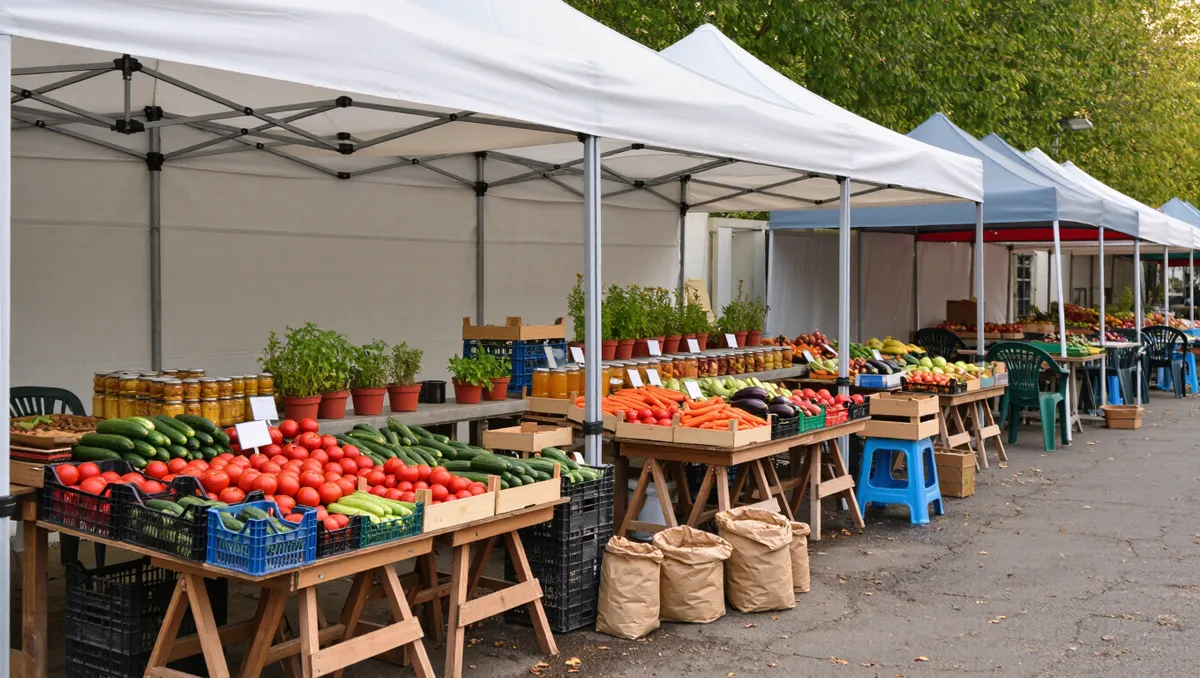
The term covers a few formats. A farmers' market may be indoors or outdoors, with booths, tables, or stands where farmers sell straight to shoppers, and some offer prepared foods and drinks as well, as Wikipedia explains in its overview of farmers markets. Many of these markets move inside a hall or shed once the season turns.
Public markets are a close cousin. According to Wikipedia, they are generally housed in permanent structures, open year-round, and offer a mix of vendors, including packaged foods and non-food goods. Food halls inside larger buildings fit the same mold, even when no farmer stands behind a stall.
The names blur together in everyday speech, and that is fine. The traits that matter in January are simple: a solid roof, real walls, and heat. If a market near you has those three things, winter is just another shopping season.
Why They Shine in Winter
A roof changes everything in the cold months. Stalls stay warm, aisles stay dry, and vendors keep regular hours instead of closing for storms. Shoppers can browse at a normal pace and carry home fragile items without worry.
The idea is not new. Reading Terminal Market in Philadelphia opened in 1893 under an elevated train shed, after city leaders pushed to move public markets indoors for safety and sanitary reasons, according to Wikipedia. Cities learned long ago that bad weather and good food do not mix.
Indoor space also stretches the local food calendar. Root crops, storage apples, hardy greens, and shelf-stable goods can carry a market through winter even when the fields rest. That steady supply is what makes a cold-weather run worth the drive. For related coverage, see How to Shop a Flower Market: Timing, Prices and the Stems Worth Carrying Home.
What to Buy on a Cold-Weather Run
Think in layers. Fresh produce comes first, since winter greens, roots, and storage apples tend to hold up well. Then add packaged goods such as bread, cheese, jams, and grains.
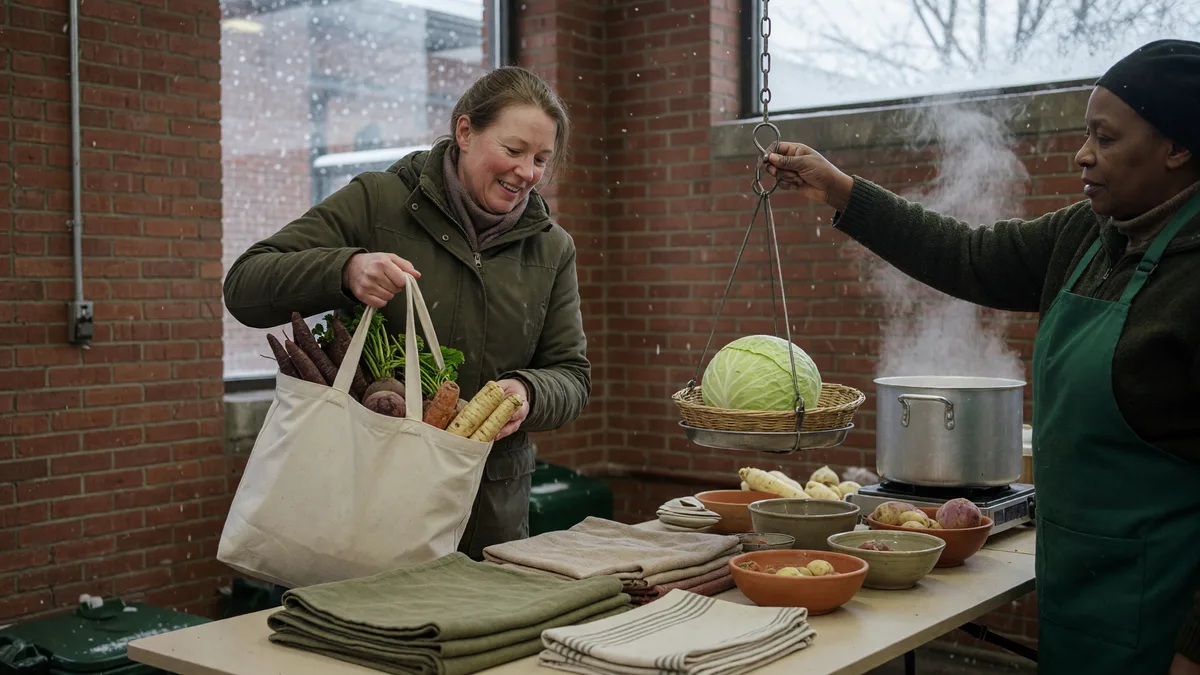
Many stalls also sell prepared foods and warm drinks. A hot lunch turns a grocery run into a small outing, which is one reason these halls stay busy in the darkest weeks of the year.
Do not skip the pantry vendors. Honey, pickles, pasta, and spices often cost about what a specialty shop charges, and the person selling them can tell you just how they were made. That kind of answer is hard to find on a big-store label.
Tips for a Smooth Winter Trip
- Go early. The best produce often sells out before midday.
- Check the schedule. Some markets run daily, while others open only on set days, as Wikipedia notes in its guide to market types.
- Bring sturdy bags. Winter trips often mean heavier pantry items.
- Walk the full hall first. A quick loop helps you compare stalls before you buy.
Timing helps too. Weekday mornings are usually calm, while weekend late mornings draw the biggest crowds. Pick the slot that fits your mood, and give yourself a full hour to wander.
Small habits like these keep the trip quick, even when the parking lot is piled with snow.
Conclusion
Indoor markets take the weather out of the equation. They pair the character of a public market with the comfort of a roof, and they keep local vendors within reach all season. Pick a hall near you, check its winter hours, and let one warm trip cover most of your week.