How to open a retail store comes down to three numbers: what you pay for goods, what you pay for the room, and what you charge for both. Independent shopkeepers run the store on that math from day one. The ones who last two years are rarely the ones with the best taste. They are the ones who priced the rent before they fell in love with the space.
You can see the whole picture in the supply chain. FluentCart's explainer walks the four stages: manufacturer, wholesaler, retailer, consumer. The retailer sits at the end and buys small, sells single, and charges more per unit than anyone upstream. That markup is not greed. It covers the lease, the staff, the card fees, and the stock that never sells.
Merriam-Webster keeps the definition plain: retail means selling in small quantities directly to the ultimate consumer. The word itself comes from the Old French for cutting — cutting a bulk shipment into pieces a person will actually buy. Everything in this article follows from that cut.
What Is a Retail Store, Really?
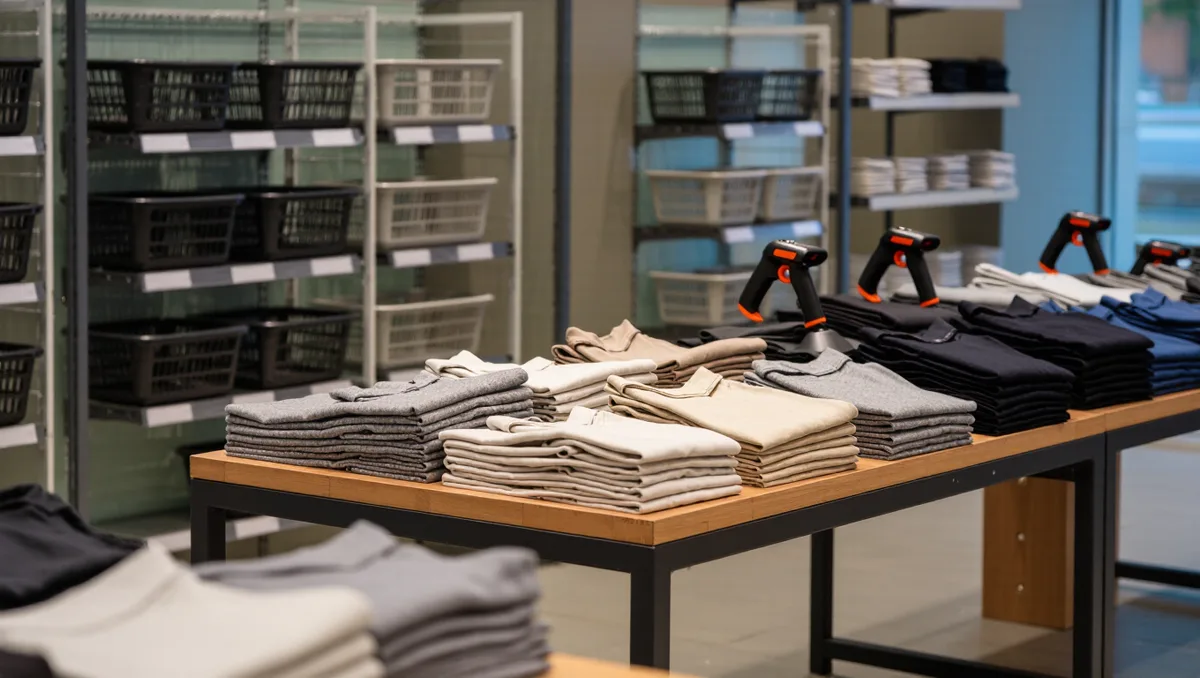
A retail store is a room where a bulk shipment becomes a single purchase. That is the whole trick. A wholesaler moves pallets; a retailer moves units. The difference shows up in every line of the budget.
FluentCart counts the retailer's work as sourcing, inventory, pricing, display, checkout, and customer service. Notice what is missing: nothing about decorating. New owners spend on paint and shelving before they spend on a stockroom plan. The stockroom plan is the one that matters. Goods that sit in the back are already losing money.
The format you choose sets your ceiling. A specialty shop sells one category deeply. A convenience store sells speed. A pop-up sells a season. Each has a different cost structure, and the cost structure — not the concept — decides whether you survive.
How Much Margin Does a Store Actually Need?
Here is the honest caveat, and it is the house signature: the markup on an item looks generous. The margin on the store usually isn't.
Retailers make money on the gap between what they pay for goods and what they charge. FluentCart names that gap as the core of the model. But the gap has to cover everything that isn't goods: rent, wages, utilities, insurance, payment processing, marketing, and shrinkage. Shopkeepers call the split "the margin stack." An item marked up 100 percent over cost can leave very little for the owner once the stack is paid.
What this means for you as a shopper: when a store discounts an item, ask what the discount is measured against. Sometimes the sale price still clears the stack. Sometimes it doesn't, and the discount exists to turn slow stock into cash. We've covered this shape before in Loss Leaders Explained: Why Stores Sell Some Items Below Cost — some items are priced below cost on purpose, and the store makes it back on what you carry to the till. This connects to our earlier piece, Loss Leaders Explained: Why Stores Sell Some Items Below Cost.
What Does the Lease Do to the Math?
The lease is the largest fixed number in the store, and it is the one new owners underestimate hardest. Rent does not care whether footfall was good that week. It is due every month, in full, from the day the keys arrive.
Practical steps shopkeepers take before signing:
- They count the footfall themselves, at three different times of day, on a weekday and a weekend.
- They price the rent against the realistic daily sales the location can support — not the sales they hope for.
- They negotiate the fit-out period, the months between signing and opening when full rent may not yet apply. Terms vary by landlord and market, so this is always a negotiation, never a given.
- They read what happens on renewal. A cheap first term that doubles at renewal is not a cheap lease.
The comparison basis for any "prime location" claim is the rent per month against the sales the count supports. If the count doesn't carry the rent, the location isn't prime for you.
Why Do the First Two Years Decide Everything?
The first two years are when the fixed costs are highest and the customer base is smallest. Rent is full. Marketing is heavy, because nobody knows you exist. Stock mistakes are expensive, because you bought for a customer you were still guessing at.
Owners who make it through tend to do the same things. They buy small and reorder often, so a wrong guess costs weeks instead of a season. They track which goods actually turn, and they stop restocking what doesn't. They treat the till data as the menu — the same way a trattoria keeps the dish that sells and quietly drops the one that doesn't.
Scale helps, and the big players know it. Warehouse clubs run the opposite model: thin margins on goods, profit on membership. We broke that down in How Warehouse Clubs Make Money on Memberships, Not Groceries. An independent store cannot copy it — no membership base — so it competes on curation and service instead. That is a real strategy, not a consolation prize.
What This Means for Shoppers
Our analysis: the same math that decides whether a store survives decides what you pay inside it. Every price on the shelf carries the rent, the wages, and the unsold stock from last season. Once you see the stack, retail theater gets easier to spot.
Three things worth knowing:
- A deep discount on a niche item often means slow stock, not a bargain you must catch today.
- An expensive store is not necessarily a high-margin store. Prime rents eat the markup. We made this point about flagship retail in Why Do Brands Build Flagship Stores They Barely Expect to Be Profitable? — some stores are advertising, not profit centers.
- Brands that skip the room entirely can change the price math. Whether cutting out the middleman actually cuts prices is its own question, covered in Does Cutting Out the Middleman Actually Cut Prices? DTC Brands, Explained.
The evidence here establishes the mechanics: retailers buy small, sell single, and live on a markup that must cover a stack of fixed costs. What remains unknown for any specific store is the local count — the footfall, the rent, the real daily sales. Those numbers are on the owner's side of the counter. But the next time a shop closes two years in, you'll know it usually wasn't the paint.