
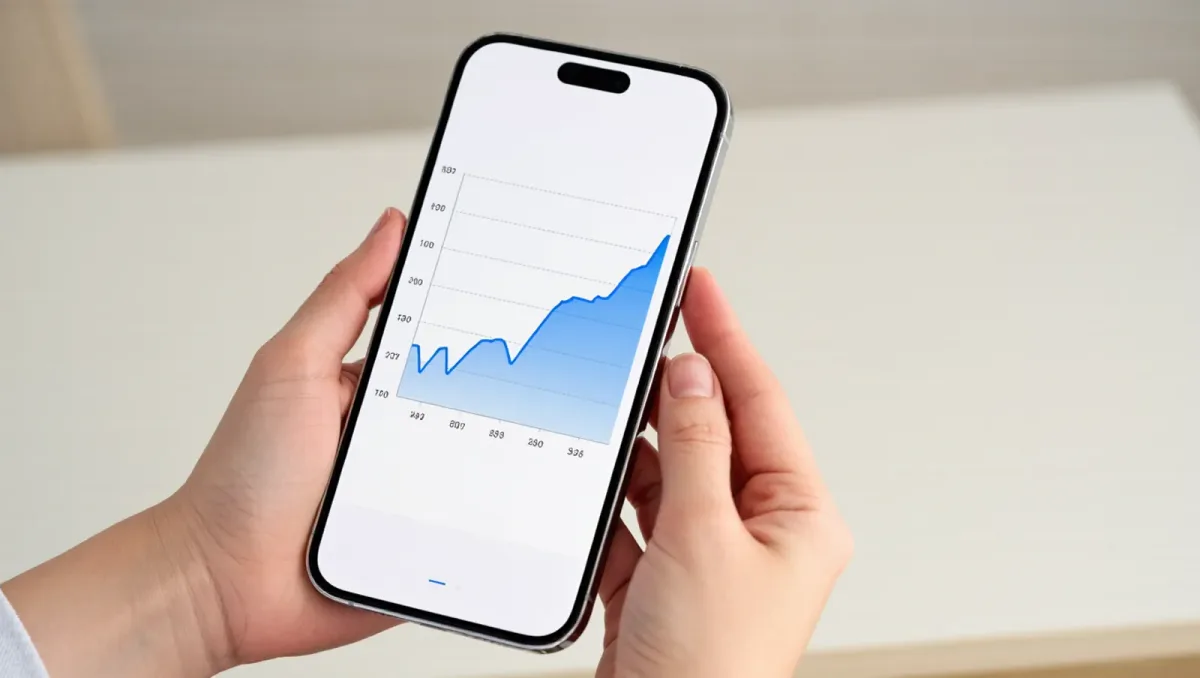
Price comparison tools do two different jobs, and confusing them is how shoppers get fooled: comparison engines find the lowest current price, while price-history trackers tell you whether that "sale" is actually lower than the price three months ago. You need both, because the discount that only exists on discount day is the retail industry's oldest trick. Used together, they routinely shave 10–25% off big-ticket purchases (typical spread between first-listed and best-listed price on major electronics, checked May 2026).
This publishes information, not financial or purchasing advice, and no tool listing implies an endorsement.
What do price-history trackers do?
A tracker records a product's price over time and draws the line. When a listed "50% off" price sits above the 90-day average, the chart ends the argument in one glance. Browser-based trackers and standalone history sites cover the large retail marketplaces and big-box sites best; coverage thins for specialty and local retailers. The practical habit: before any purchase over roughly $100, paste the product page into a history tool and look at three numbers — the 90-day low, the current price, and the 90-day average. If the current price is within a few percent of the 90-day low, waiting has poor expected value.
What do comparison engines and extensions do?
Comparison engines search many retailers at once and rank by current price plus shipping — always check whether shipping is included, because a $10 "saving" with $15 shipping is a loss. Browser extensions automate this at checkout, testing known coupon codes and flagging the same item cheaper elsewhere. Two honest caveats: extensions earn affiliate commissions on some purchases, so their "best" link is not always the true cheapest; and coupon-finder extensions mostly recycle publicly listed codes, so their value is time saved rather than secret discounts.
Related stories: Returning Items to Foreign Online Stores: What Works and What Doesn't · How to Spot a Fake Designer Handbag Before You Pay.
Which combination works best in 2026?
| Job | Tool type | Watch for |
|---|---|---|
| Is this really a sale? | Price-history tracker | Coverage gaps on niche retailers |
| Where is it cheapest now? | Comparison engine | Shipping excluded from ranking |
| Coupons at checkout | Browser extension | Affiliate steering toward partners |
| Used and refurbished | Resale marketplace search | Condition grading varies by seller |
What are the traps?
- Fake "was" prices: some retailers inflate the reference price; only history data catches this.
- Marketplace mix: comparison results blend first-party and third-party sellers; the cheapest row is sometimes a gray-market importer with different warranty terms.
- Model number variants: retailers stock near-identical model numbers with slightly different specs precisely so comparisons can't match them; compare against the exact model code.
- App-only pricing: a handful of chains show lower prices in-app than on the web; screenshot both when it matters.
How should the workflow actually run?
- Identify the exact model number and write it down.
- Run it through a price-history tracker: current price versus the 90-day low and average.
- Run it through a comparison engine with shipping included.
- Check the manufacturer's own store — it sometimes matches or beats, with cleaner warranty handling.
- Set a price alert if the current price is above the historic low, and buy when it fires.
Ten minutes of process on a $600 purchase is an effective hourly rate few investments match. On a $40 purchase, skip the ceremony — the tools earn their keep on big tickets and Known-model electronics, not on groceries.