
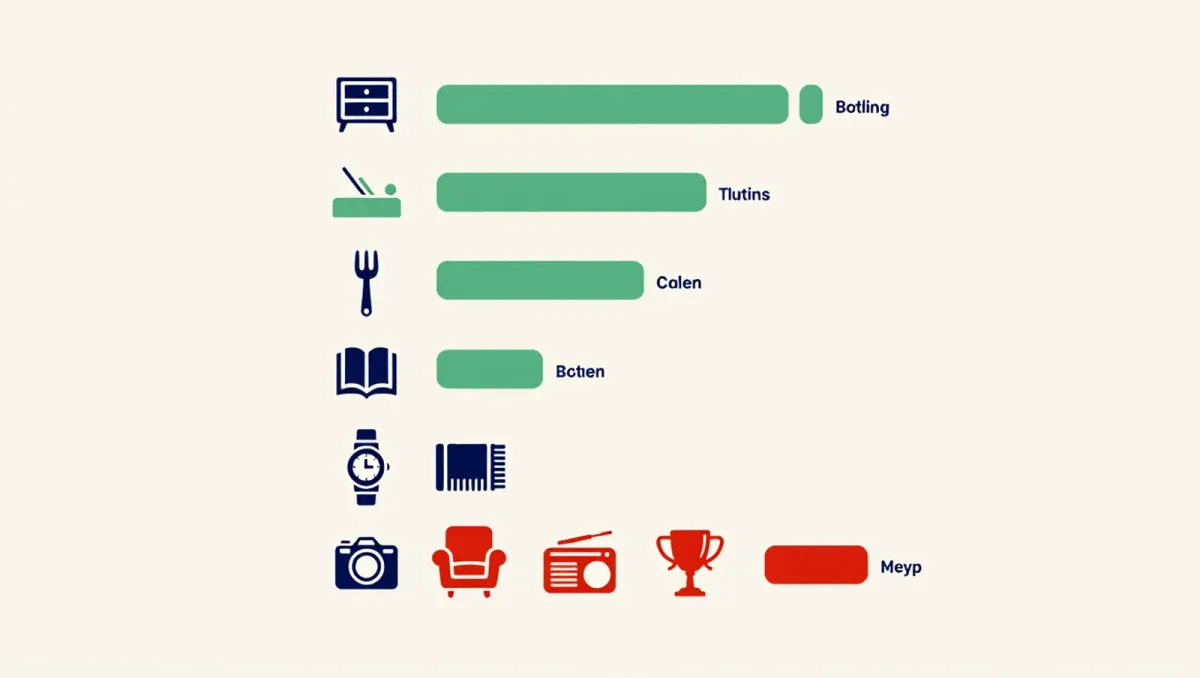
At a good flea market, seven categories reliably beat retail on price-adjusted quality: solid-wood furniture, vintage tools, silver plate and sterling flatware, classic books, mechanical watches from established brands, wool blankets, and camera lenses. Three reliably do not: upholstered soft goods, most "vintage" electronics, and anything the seller calls collectible without a blush. The pattern behind the split is simple — flea markets price things by weight and eyeball, so goods whose quality is invisible from two meters away sell below their worth, and goods whose quality is obvious to everyone get marked up to fantasy. Checked against dealer and resale prices, May–July 2026.
Which finds are worth buying?
- Solid-wood furniture: a dovetailed oak dresser at €60–€150 (checked July 2026) is new-furniture money at half or less; check drawers slide and legs aren't wormholed through.
- Hand tools: old chisels, planes, and hand saws of recognized makers sell for a fraction of new premium equivalents and outlast them.
- Silver plate and sterling flatware: weight and hallmarks tell the story; sterling sells near melt value, which sets a floor under your purchase.
- Classic books: early printings of standard works at a euro or two; condition and first-edition status decide whether you found a bargain or a bequest to your shelf.
- Mechanical watches: known brands hold and reveal value, but this is the expert tier — buy only what you can verify or afford to have serviced.
- Wool blankets: labeled wool from mid-century mills costs less than new synthetic equivalents and lasts longer.
- Camera lenses: old manual-focus glass from major makers often out-resolves cheap new zooms at a tenth the price; test on a body if allowed.
Related stories: Gray Market vs Authorized Dealer Watches: What You Give Up for 20% Off · Gift Shopping Abroad: What Travels Well and What to Skip.
What should you leave behind?
- Upholstered furniture and mattresses: bedbugs and mold travel inside; reupholstering costs more than the frame is worth.
- Powered vintage electronics: untested 1970s amplifiers and lamps carry shock and fire risk from degraded wiring; price in a full rewiring or pass.
- "Collectibles": anything displayed with its own price guide has already been priced by people who read it. The collectible premium is the seller's, not yours.
How do flea market prices actually work?
Sellers price by three cues: what the last buyer paid, what a quick phone search shows, and how you're dressed. Nothing in that list is the object's worth. The counter-strategy is knowing one retail number per category before you arrive — the price of a new solid-wood dresser, a new wool blanket, a new good lens — because a stall price at 40% of the new equivalent is self-evidently fair without haggling theater. Early hours bring selection; the last hour brings the day's real discounts, when sellers are pricing against taking everything home again.
How should you inspect before paying?
- Flip, open, and look underneath — the underside and insides tell the truth about material and repair.
- Check for working function, not beauty: drawers, hinges, shutters, focus rings.
- Smell upholstered pieces; musty means mold, always.
- Ask about the object's history in one open question; sellers who used the object answer differently than sellers who sourced it in bulk.
Flea markets reward the shopper who arrives knowing two or three retail prices and willing to walk past everything else. The finds are real; so is the markup on the stuff everyone can see is charming.