
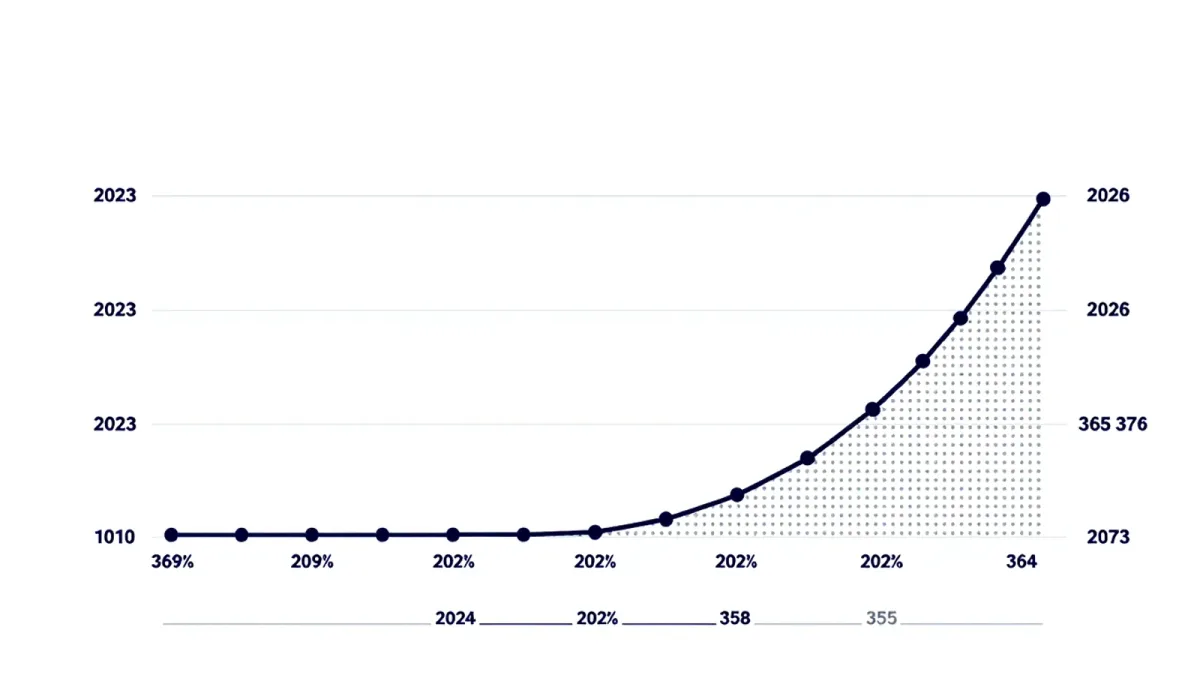
Sales of personal luxury goods reached an estimated €358 billion (about USD 406 billion) in 2025, down 2 percent at current exchange rates from €364 billion in 2024, per the Bain & Company–Altagamma Luxury Goods Study, which forecasts the market growing 2 to 4 percent to €365–373 billion in 2026. The study also counts roughly 70 million fewer active luxury consumers than at the 2023 peak of €369 billion — the market is shrinking in people and tilting toward its wealthiest spenders.
This is market-data coverage, not buying advice: forecasts are the study's own, and none of it changes the price tag on any individual handbag or watch.
What do the numbers say about who is still buying?
Fewer people, spending more. The €70-million drop in active consumers since 2023 reflects price increases across the sector pushing entry-level buyers out, while the remaining core — repeat clients and so-called VIC top clients — carries a larger share of revenue. Bain's 2026 theme of rebuilding relevance with those top clients means brands will keep investing in private salons, appointment-only spaces, and clienteling. For an occasional shopper, that reads as: walk-in availability of iconic pieces is unlikely to improve in 2026, and waiting lists on the famous references persist.
Related stories: China's May Day Holiday Spending Rose 2.9 Percent to ¥185.49 Billion — but Travelers Spent Less per Trip · Singles Day 2025 Sales Hit RMB 1.695 Trillion — but the Platforms Stopped Telling You the Price.
Does a recovering market mean better prices for travelers?
Not directly. A forecast of 2–4 percent growth supports continued list-price discipline rather than discounting; the sector's pricing power is the reason volume can fall while revenue holds. What the data does tell travelers is where the variance lives: price differences between regions, driven by exchange rates and local tax treatment, routinely exceed any promotional difference. The 2025 dip itself came partly from exchange-rate effects — which cut both ways depending on your home currency at the moment you buy.
What to watch for the rest of 2026?
Bain frames the outlook as stabilization after compounding disruptions, with longer-run growth of 4–6 percent a year still considered realistic. For shopping travelers the practical watch list is short: currency moves against the euro, changes in tourist tax-refund treatment in your destination, and brand-specific price-increase announcements, which the sector has used repeatedly to defend margins. Buying decisions made on those three variables will outperform any strategy built on waiting for luxury sales, which remain rare and shallow in this market.