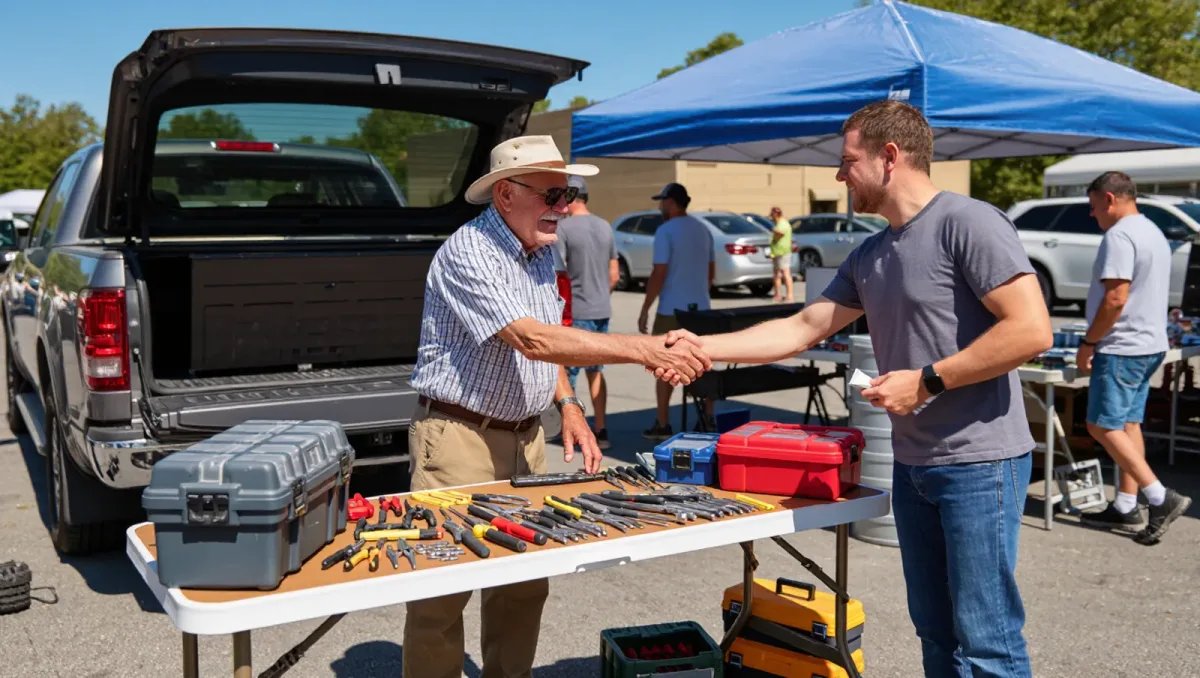
How to Negotiate at a Swap Meet: What Works at American Flea Markets
Early birds pay full price and last-hour shoppers get the deals — the timing, opening offers and cash mechanics that actually move prices at US swap meets.
Guides to markets of every kind: food halls, flea and antique markets, flower and fish auctions, night markets and craft fairs. Entries list trading days, hours, payment methods, which entrance to use, and when to arrive before the good stock goes. For travelers who plan a morning around a market.
Covered halls, flea markets and street trading covered with days, opening hours, payment methods.
Early birds pay full price and last-hour shoppers get the deals — the timing, opening offers and cash mechanics that actually move prices at US swap meets.

Thailand's most famous floating market is touristy, pricey and still worth half a day — if you know which canal to hire, what a boat should cost, and when to go.

Genuine saffron sells for 20–45 dirhams a gram in Marrakech and Spanish premium saffron costs several times more — the price benchmarks that expose the fakes.
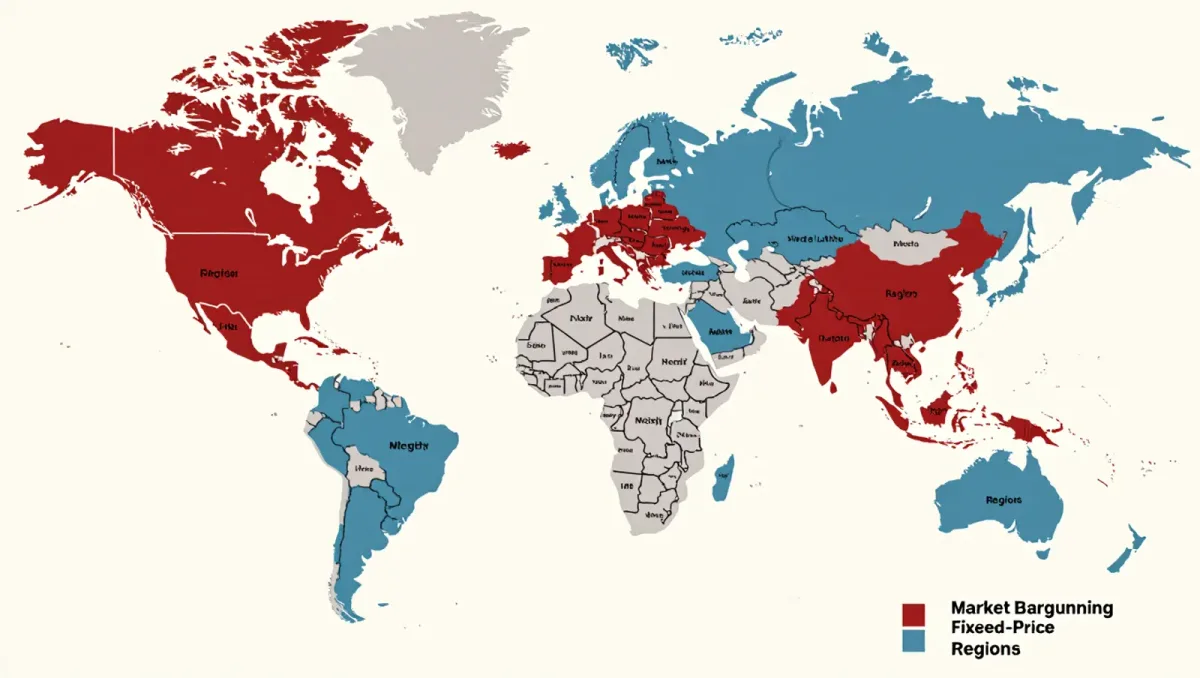
Bargaining is normal in bazaars and souks, insulting in Japanese shops and optional-but-awkward in most Western stores — the map is simpler than you think.
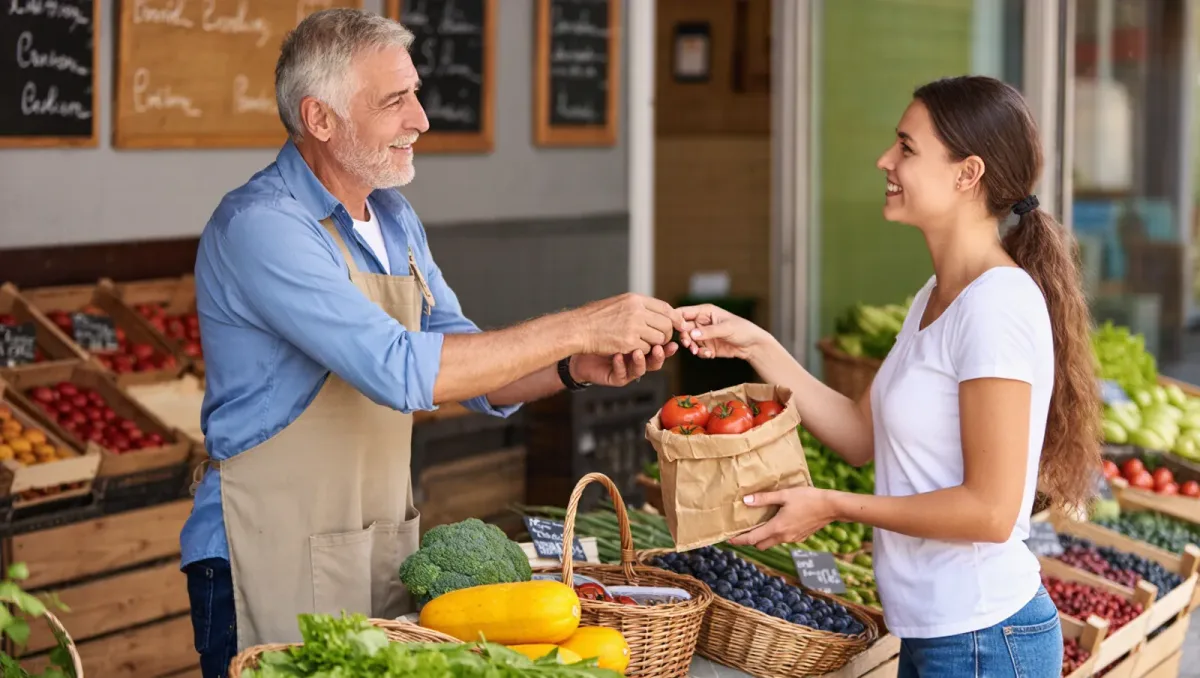
Staple vegetables often match or beat supermarket prices by mid-season, while eggs, meat and honey carry a real premium — the honest math on when markets win.
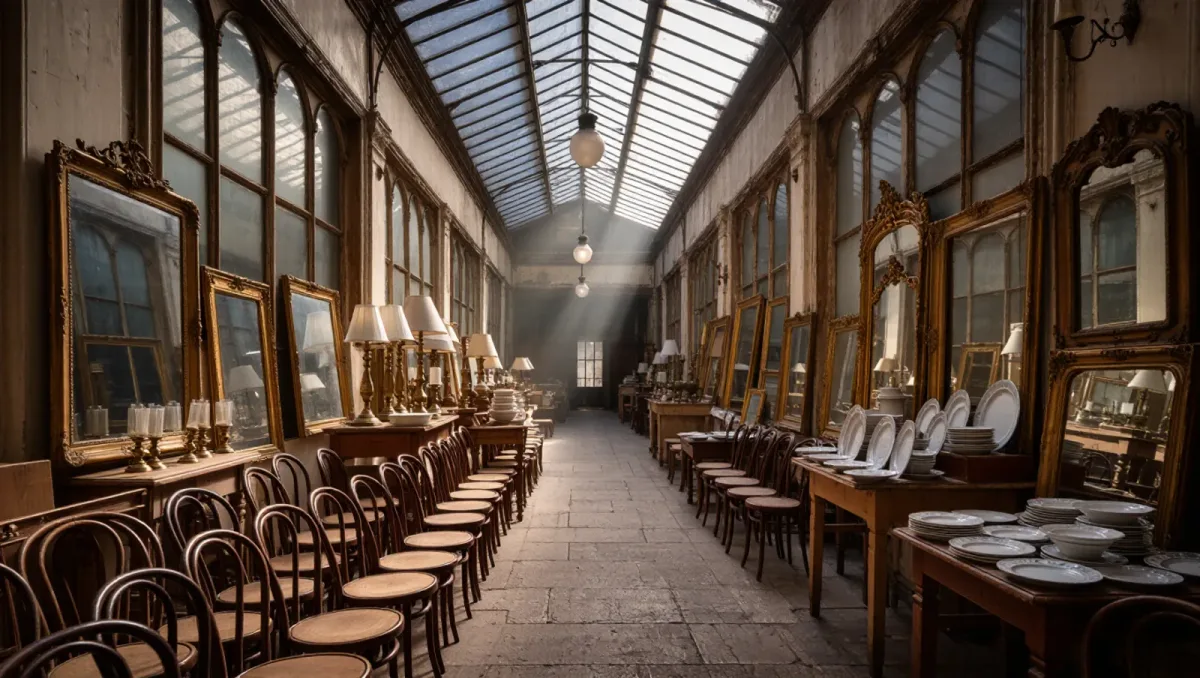
The world's largest antiques market is a dozen overlapping villages north of Paris — here is how its pricing works, from €5 bric-à-brac to five-figure art.