
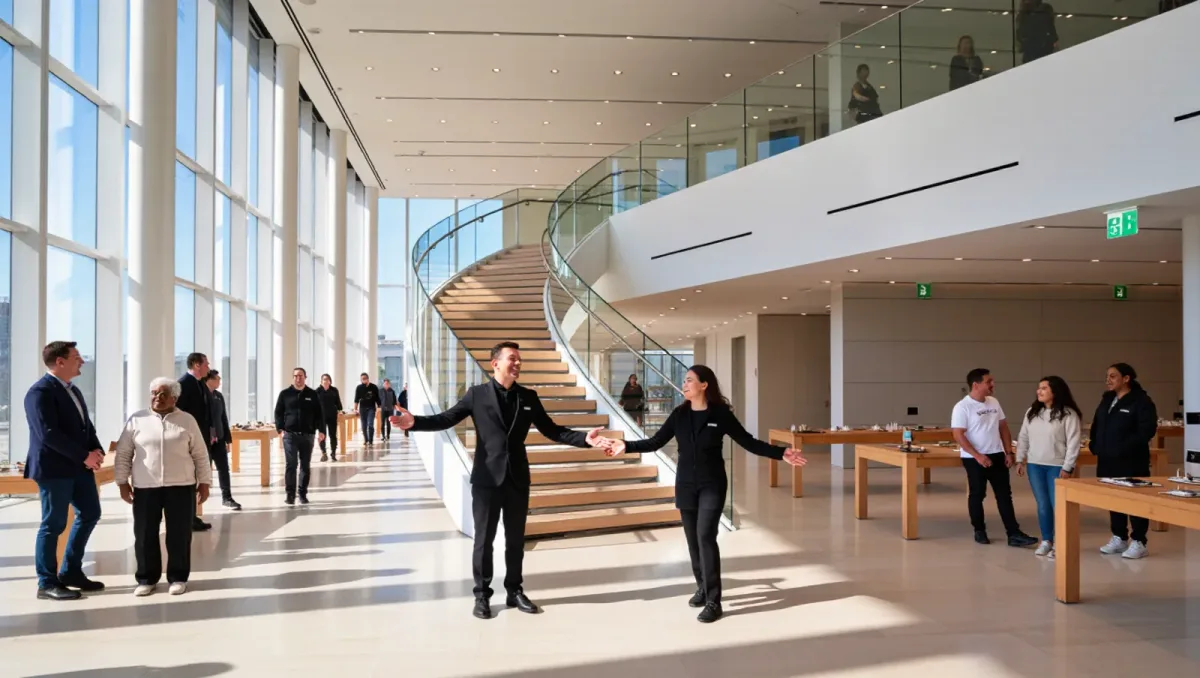
Brands build flagship stores because a flagship does jobs advertising cannot: it sets the price story, controls the brand's physical image, generates data, and gives press and social media a permanent stage. Nobody expects the 10,000-square-meter store on the most expensive shopping street in the city to carry its own rent — Apple's Fifth Avenue glass cube in New York is one of the most-photographed retail sites on earth and functions, in effect, as a billboard you can walk into. The lesson for shoppers: the flagship's job is to make the brand feel worth more, and knowing that changes how you read its prices.
This explainer covers what flagships actually cost, what jobs they do, and when the flagship experience genuinely benefits the customer. This publication publishes information, not investment advice.
What exactly is a flagship store?
The largest, most complete expression of a brand in a single location: top-tier shopping-district real estate, the full range rather than a mall store's edited one, custom architecture, and staff trained as brand representatives rather than clerks. Flagships cluster on the famous corridors — Fifth Avenue and SoHo in New York, Ginza in Tokyo, Champs-Élysées in Paris, Regent Street in London — where global rents per square meter rank among the highest in commercial real estate, per Cushman & Wakefield's long-running main-street rent rankings, checked April 2026.
What jobs does a flagship do that a normal store does not?
- Price anchoring. The flagship sells the full range at full price in the most glamorous setting available. Every discount store and outlet channel for that brand is measured against this stage — the flagship is the reason a markdown anywhere feels like a deal.
- Brand control. One building where lighting, music, staff scripts and product presentation are exactly as headquarters intends. Wholesale shelves never offer that.
- Content generation. A flagship produces photographs, events and press daily. Nike's House of Innovation stores and Apple's stores are designed to be filmed.
- Data and services. Fittings, workshops, pickups and repairs draw the customer's visits into the brand's own database instead of a marketplace's.
- Real estate as signal. Taking a huge, expensive lease is itself a statement of financial strength — analysts read flagship expansion as a confidence indicator.
Related stories: Why Are Department Stores Disappearing? The Economics, Explained for Shoppers · What Is RFID in Retail? How Stores Track Every Item — and What It Means for You.
Do flagships lose money on purpose?
Judged as a store, often yes; judged as a marketing channel, no. A brand renting Fifth Avenue space pays per square foot rates that can exceed what a regional mall chain pays for its entire local marketing budget. Measured correctly — against the cost of the equivalent media impressions, events and brand research — flagships can justify themselves, which is why luxury houses and tech brands build them while mid-market chains retreat. The model's weakness is the same as any prestige real estate bet: it only works while the brand's halo holds, checked April 2026.
When does the flagship actually serve the shopper?
- Services unavailable elsewhere: full sizing runs, on-site tailoring, engraving, repairs and trade-ins concentrate at flagships first, checked April 2026.
- Product education: the complete range in one place lets you compare an entire line physically instead of trusting product photography.
- Launch events: flagships host the drops; if you chase limited releases, the flagship is where the queue forms.
- Price, rarely: flagship prices are full price by design. The exception is exclusive colorways and flagship-only editions unavailable elsewhere.
What should you watch for?
The flagship effect is the retail-theater version of atmosphere pricing — the store is engineered to make the full price feel reasonable. The honest playbook: experience the flagship, buy the classics there when the service genuinely adds value (tailoring, fitting, exclusives), and buy the rest through the cheaper channels — department store promotions, outlets and the brand's own sale cycles — using the flagship as your measuring stick, not your checkout.
The bottom line
A flagship store is the brand's best argument for itself, staged in marble and glass at rents no ordinary store survives. Enjoy the theater, take the free services, and let the exit door remind you: the exit is where the discount channels begin.
What are the famous flagships worth visiting?
A short list that earns its place on a walking route even without purchases: Apple's glass cube and underground store on Fifth Avenue; Nike's House of Innovation with its sneaker-bar floor; the multi-floor Zara on Portal de l'Àngel in Barcelona, one of the chain's largest anywhere; Galeries Lafayette's Boulevard Haussmann dome, where the attraction is the 1912 glass cupola as much as the goods; and Ginza's Uniqlo flagship with its twelve floors of fabric science, checked April 2026. Each justifies the visit as architecture and people-watching even at full-price intentions.